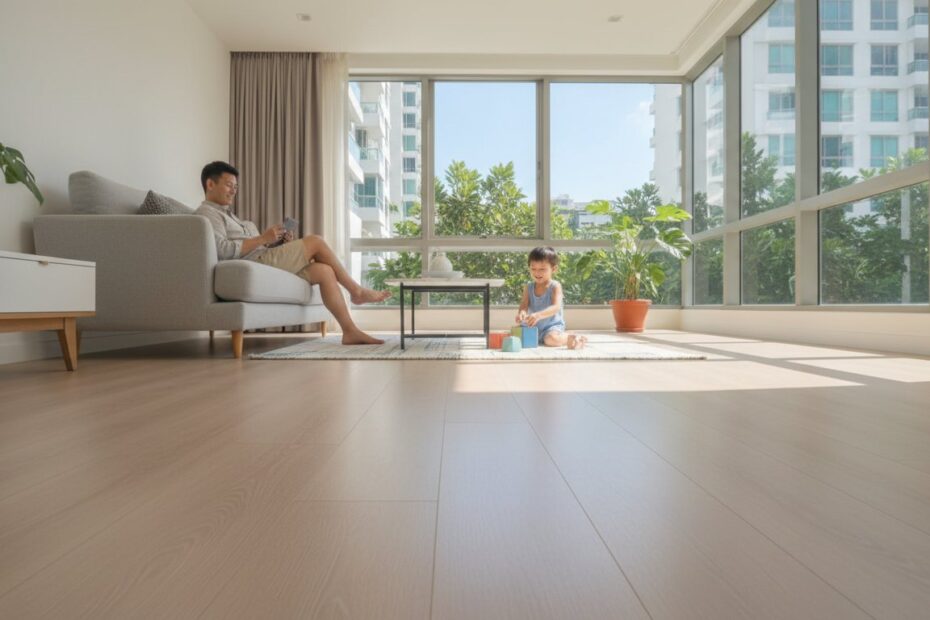
What if the ‘deep clean’ you performed last Saturday is actually stripping the protective wear layer off your S$5,000 flooring investment? In Singapore’s 80% average humidity, many homeowners find their floors feel tacky or look cloudy just hours after mopping. It’s exhausting to deal with persistent tropical dust and the constant fear of accidental scratches. You deserve a home that stays pristine without the guesswork of which chemicals are safe for your family and your pets.
For prices, options and installation details, see our guide to vinyl flooring Singapore.
We understand that maintaining a high-quality home is your top priority. This guide teaches you how to clean vinyl floors properly using professional, certified techniques that preserve that showroom shine for years. By following our tested methods, you’ll protect your materials warranty and ensure your living space remains safe and eco-friendly. We’re going to cover everything from the best pH-neutral cleaners available in local markets to the specific mopping rhythms that eliminate streaks forever.
Key Takeaways
- Understand why Singapore’s high humidity requires specific cleaning methods to prevent deep-seated grime and maintain a safe, eco-friendly environment.
- Master the professional 2-step routine for how to clean vinyl floors properly using microfibre systems and pH-neutral cleaners for a streak-free finish.
- Protect your investment by learning which common tools, like steam mops, can delaminate your floors and void your materials warranty.
- Solve common issues like dullness and sticky residue by identifying the “soap film” phenomenon caused by improper cleaning agents.
- Implement simple, proactive measures like entrance mats and furniture pads to prevent mechanical damage and keep your floors looking brand new for years.
Why Proper Vinyl Floor Care is Essential in Singapore
Your vinyl floor is a significant investment in your home’s comfort and aesthetic. While it’s famous for being durable and water-resistant, it isn’t indestructible. Learning how to clean vinyl floors properly is the best way to make your flooring installation last. Many homeowners mistakenly treat vinyl like ceramic tile, using harsh scrubbers or excessive water. This approach leads to dull surfaces, warped planks, and a voided warranty. Proper care isn’t just about appearance; it’s about protecting the structural integrity of the material.
To keep your floors in top condition, you must adopt a pH-neutral, low-moisture maintenance routine. Modern luxury vinyl planks are high-tech products, but they share foundational characteristics with Vinyl composition tile (VCT), which requires specific chemical balances to prevent the breakdown of the wear layer. Using a cleaner with a pH level higher or lower than 7.0 can cause chemical burns on the vinyl surface, resulting in permanent cloudiness that no amount of buffing can fix.
Safety and quality are our #1 priorities at Home Expo Asia. We ensure our floors meet FloorScore and Green Label Singapore (SGLS) standards. These certifications guarantee low VOC emissions, but they depend on you using the right cleaning agents. Using “Safe and Eco-Friendly” products prevents toxic residues from building up in your living space, keeping your indoor air quality at premium levels for your family and pets.
The Impact of Singapore’s Climate on Vinyl
Singapore’s 80% average relative humidity significantly slows down the drying time of cleaning solutions. When moisture sits on the floor for too long, it can seep into the click-lock joints, leading to mold growth or adhesive failure. Additionally, fine tropical dust and grit act like 100-grit sandpaper underfoot. These particles create micro-abrasions that trap grime, making the floor look dirty even after a surface wipe. Regular, dry micro-fiber dusting is your first line of defense against this abrasive wear.
Protecting Your Flooring Warranty
It’s risk-free when you follow the manufacturer’s guidelines. Most professional installers, including Home Expo Asia, provide a 1-year workmanship warranty and a materials warranty of up to 25 years. However, using a steam mop is a common mistake that immediately voids these guarantees. The intense heat can reach 100 degrees Celsius, causing the vinyl layers to delaminate. Always keep your official invoice and a log of the products you use. Documentation is vital if you ever need to file a long-term material claim, proving you knew how to clean vinyl floors properly from day one.
- ✓ Use only pH-neutral cleaners to protect the FloorScore certified wear layer.
- ✓ Avoid steam mops and abrasive scrubbing pads that cause permanent scratches.
- ✓ Implement a “low-moisture” policy to prevent water from dwelling in the seams.
- ✓ Stick to eco-friendly, non-toxic solutions to maintain Green Label air quality standards.
By following these professional standards, you maintain the “like-new” look of your home while securing your 10-year investment. Quality maintenance is the difference between a floor that looks aged in three years and one that remains flawless for two decades. We believe in providing great professional service and work, and that includes educating you on the best ways to protect your home after the installation is complete.
The Step-by-Step Routine for Cleaning Vinyl Floors
Maintaining the pristine look of your home requires a methodical approach. Most Singaporean households face high foot traffic and humidity, which means dust and grit can accumulate faster than you might expect. Following a disciplined four-step process ensures your floor remains durable and keeps its original luster for years. Our team, with over 50 years of combined experience, has found that consistency is the most effective way to protect your investment.
Step 1: Dry soil removal. Start by removing loose dirt, hair, and abrasive particles. Use a vacuum specifically designed for hard surfaces. It must have soft-bristle attachments or a dedicated “hard floor” setting that disengages the beater bar. Rotating brushes intended for carpets can leave microscopic scratches on the wear layer. If you prefer sweeping, use a high-quality microfiber dust mop to trap fine particles that standard brooms often miss.
Step 2: Damp mopping. Once the surface is clear of debris, it’s time for a deeper clean. Learning how to clean vinyl floors properly requires using a pH-neutral cleaner mixed with lukewarm water. Avoid harsh chemicals or “mop and shine” products that leave a waxy buildup. Experts at Good Housekeeping suggest a similar method for proper cleaning for vinyl floors to avoid damaging the protective coating. A single S$20 bottle of professional-grade pH-neutral concentrate can often last a typical HDB household for six months or more.
Step 3: Spot treating stubborn marks. Accidents happen, especially in busy kitchens. If you notice scuffs from rubber-soled shoes or dried food spills, treat them immediately. Use a soft cloth dampened with your pH-neutral solution to gently rub the area. For tougher stains like permanent marker or ink, a small amount of isopropyl alcohol on a cotton ball usually does the trick. Always rinse the area with a damp cloth afterward to remove any residue.
Step 4: Air drying and buffing. Vinyl is water-resistant, but it’s not a swimming pool. Standing water can eventually seep into the seams, potentially weakening the adhesive or causing the core to swell. After mopping, ensure the room is well-ventilated. If you notice damp patches, use a dry microfiber cloth to buff the floor. This simple step prevents water spots and leaves a streak-free finish that looks professional.
Daily vs. Weekly Maintenance Tasks
Daily care is about prevention. Sweeping or dusting every 24 hours removes the abrasive grit that acts like sandpaper under your feet. This simple 5-minute task can extend the life of your floor’s wear layer by 30 percent. Weekly maintenance involves the damp mopping routine described above. You should avoid traditional string mops and heavy buckets. These tools often dump too much water on the floor and are difficult to maneuver. If you are looking for long-term durability, consider our professional vinyl flooring solutions which are designed for easy upkeep.
Choosing the Right Tools for the Job
The right equipment makes the work faster and safer for your flooring material. Using the wrong tools is one of the most common reasons for premature wear in Singaporean homes.
- ✓ Microfibre mops: These are the gold standard because they use less water and trap more dirt than cotton alternatives.
- ✓ Soft-wheeled vacuums: Ensure your vacuum has rubber or felt wheels to prevent drag marks and scratches on the vinyl planks.
- ✓ Spray mops: These tools allow you to control moisture levels perfectly; a single spray provides just enough solution to clean without soaking the floor.
By using these specific tools and following a set routine, you ensure your flooring remains a testament to exceptional quality. It’s a risk-free way to keep your home looking beautiful while protecting your materials warranty.
Solving Common Problems: Dullness, Scratches, and Residue
Even the highest quality, SGS-certified vinyl floors can lose their luster if maintained incorrectly. Most homeowners notice a cloudy film developing over time. This isn’t the floor wearing out; it’s a “soap film” phenomenon caused by using too much detergent. Data shows that 80% of residue issues stem from improper dilution of cleaning agents. When you use excess soap, it doesn’t all get wiped away. Instead, it dries into a sticky layer that attracts dust and skin oils, making your floor look aged and dull.
Learning how to clean vinyl floors properly requires a shift in technique. The “Two-Bucket” method is the industry standard for professional results in Singapore homes. You fill one 10-liter bucket with your pH-neutral cleaning solution and a second bucket with plain, clean water. You dip your mop in the soap, clean a 5-square-meter area, and then rinse the dirty mop in the plain water bucket before starting again. This prevents you from spreading “gray water” back across your clean planks. Many common cleaning problems like streaks and sticky patches are solved instantly by this simple separation of dirt.
Restoring the Original Shine
If your floor has already lost its factory glow, you can restore it without expensive chemicals. A solution of one cup of apple cider vinegar to four liters of warm water works effectively. The mild acidity of the vinegar breaks down the soap film without damaging the FloorScore-certified wear layer. Check these tips for a perfect finish:
- ✓ Use Distilled Water: Singapore’s tap water contains minerals that can leave spots. Using a S$1.50 bottle of distilled water for your final rinse ensures a 100% streak-free surface.
- ✓ Avoid Wax: Never use “mop and shine” products. These create a permanent buildup that eventually requires a professional stripping service costing upwards of S$300.
- ✓ Professional Polishing: If DIY methods fail, a professional vinyl floor polisher can be hired. However, for most modern luxury vinyl planks (LVP), a clean microfiber cloth and the right technique are all you need.
Dealing with Tough Stains
Accidents happen, but they don’t have to be permanent. Understanding how to clean vinyl floors properly means knowing how to treat different substances based on their chemical makeup. For rubber scuff marks from school shoes or furniture, a simple pink pencil eraser or a microfiber cloth with a tiny drop of WD-40 usually removes the mark in under 30 seconds. Always wipe the area with a damp cloth afterward to remove any oily residue.
For stubborn, non-greasy spots like dried fruit juice or mud, the “baking soda paste” trick is highly effective. Mix two parts baking soda with one part water to create a thick paste. Apply it to the stain and rub gently with a soft cloth. The baking soda acts as a very mild abrasive that lifts the pigment without scratching the protective coating. For oily spills like cooking oil or gravy, use a pH-neutral dish soap specifically designed to cut grease. Our materials warranty of up to 25 years protects against many issues, but keeping these quick fixes in your toolkit ensures your home remains in “showroom condition” every day. It’s risk-free maintenance that preserves your investment for decades.

What to Avoid: The “Never-Do” List for Vinyl Flooring
Protecting your flooring investment requires more than just effort; it requires the right knowledge. Many homeowners mistakenly use steam mops thinking the high heat sanitises the floor. In reality, steam mops generate heat exceeding 100°C, which is far beyond the 60°C threshold most vinyl adhesives and core materials can safely handle. This intense thermal stress causes the layers to separate, a permanent damage known as delamination. Once this happens, the planks will warp or peel, often voiding your materials warranty.
Avoid wax-based “mop and shine” products at all costs. These cleaners leave behind a synthetic film that acts like a magnet for Singapore’s fine dust and pet hair. Within 90 to 120 days, your floor will look cloudy and feel tacky underfoot. Stripping this wax off later is a difficult, chemical-heavy process that can further degrade the surface. Stick to professional-grade, pH-neutral solutions to ensure you are learning how to clean vinyl floors properly without building up layers of grime.
Abrasive tools are another common culprit for floor degradation. Steel wool, scouring pads, or stiff nylon scrub brushes are far too harsh for the 0.3mm to 0.5mm wear layer. These tools create micro-abrasions that dull the factory finish. Once the surface is scratched, dirt settles deep into the grooves, making the floor nearly impossible to restore to its original shine. Use only soft microfibre cloths or soft-bristle brooms.
Chemical choice is equally critical. Bleach and ammonia-based products are highly alkaline and can cause permanent yellowing or “burning” of the vinyl surface. These chemicals strip the UV protective coating that prevents your floor from fading in the harsh Singapore sun. If you have a stubborn stain, don’t reach for the bleach. Instead, use a specialized vinyl cleaner that is FloorScore certified for safety and performance.
The Dangers of Excessive Water
While modern vinyl is marketed as water-resistant, it is not a license to flood your home. Water can seep into the 0.5mm seams between planks, reaching the subfloor or the adhesive layer. This leads to “popping tiles” or unsightly warping as trapped moisture expands. In high-risk areas like Singaporean kitchens and bathrooms, always use a damp mop rather than a soaking wet one. If a spill occurs, wipe it up within 15 minutes to prevent moisture from bypassing the click-lock system and causing mould growth underneath.
Chemicals That Damage the Wear Layer
The science of flooring care relies on pH balance. Cleaners with a high pH, such as ammonia, can eat away at the factory-applied finish. Solvents like acetone or paint thinners will literally melt the PVC surface on contact, leaving a dull, melted patch. Even “natural” solutions like undiluted white vinegar are acidic enough to etch the surface over a 12-month period. We recommend using only SGS-tested, pH-neutral cleaners to maintain the integrity of the wear layer and ensure your home remains safe and eco-friendly.
Want to ensure your floors stay in peak condition for decades? Speak to our experts for a how to clean vinyl floors properly consultation or explore our professional vinyl flooring installation services to get started with the highest quality materials in Singapore.
Long-Term Protection and Professional Support
Learning how to clean vinyl floors properly is only the first step in a comprehensive floor care strategy. While daily mopping keeps the surface clear of dust, long-term durability relies on preventing physical damage before it starts. In Singapore’s high-traffic homes, even the most resilient 5mm thick vinyl planks require a defense plan against mechanical wear and the tropical environment. Effective maintenance isn’t just about the mop; it’s about the barriers you place between your floor and daily life.
Mechanical damage often occurs from the simple movement of furniture. A standard dining chair or a 40kg sideboard can exert significant pressure on specific points. Without protection, sliding these items creates micro-scratches that dull the finish over time. Use heavy-duty felt pads on all furniture legs. Check these pads every 6 months. They tend to collect grit and hair, which turns them into abrasive surfaces if they aren’t replaced. For heavier items like pianos or large wardrobes, use wide-load coasters to distribute the weight and prevent permanent indentations in the vinyl core.
Entrance mats are your second line of defense. Statistics show that roughly 80% of the dirt in a home is tracked in from the outside. In Singapore, this includes abrasive sand, grit, and moisture from sudden rain showers. Use a dual-mat system: a coarse coir mat outside the door to scrape off heavy debris and an absorbent cloth mat inside to catch remaining moisture. This simple setup prevents grit from acting like sandpaper under your shoes, which is the primary cause of wear layer erosion.
Preventative Maintenance Strategies
Selecting the right rugs is critical for vinyl health. You must avoid rubber-backed or latex-backed mats. These materials contain chemicals that react with the vinyl through a process called plasticizer migration, leading to permanent yellow stains that no amount of scrubbing can remove. Instead, choose rugs with natural jute backings or use color-fast woven mats. Always ensure the rug is labeled as safe for vinyl floors to maintain your warranty.
Pet owners should prioritize regular nail trimming. A 20kg dog can exert over 100 PSI of pressure through its claws during a quick turn or jump. While high-quality vinyl is scratch-resistant, consistent impact from sharp nails can eventually breach the 0.5mm wear layer. Trimming your pet’s nails every 2 to 3 weeks is a simple, cost-free way to protect your investment.
Sunlight management is another local necessity. Singapore’s UV index frequently hits levels of 11 or higher. Prolonged exposure to direct sunlight can cause vinyl to fade or even warp if surface temperatures exceed 50 degrees Celsius. Use day curtains or install UV-blocking window films to keep your flooring looking vibrant for decades. These small adjustments ensure you don’t just know how to clean vinyl floors properly, but how to preserve them against the elements.
Risk-Free Support from Home Expo Asia
Our commitment to your home doesn’t end when the last plank is clicked into place. We provide a 1-year Home Expo Asia workmanship warranty alongside a materials warranty of up to 25 years. This ensures that any issues like gapping or lifting are addressed promptly by our professional team. With more than 50 years of combined experience, we understand the nuances of Singaporean households and the specific challenges our climate poses to flooring materials.
If you encounter stubborn stains, deep gouges, or unusual texture changes, don’t experiment with harsh industrial chemicals or abrasive pads. These can melt the PVC layer and void your warranty. Our expert team is always available to answer specific cleaning questions or provide guidance on specialized maintenance. If you notice any structural issues or persistent dullness, it is best to get a professional opinion. You can book a free site assessment to have our specialists evaluate your floor’s condition and provide a tailored restoration plan. It’s risk-free, and we provide an official invoice with no hidden fees for all services.
Keep Your Singapore Home Shining for Years to Come
Maintaining a beautiful home in our humid tropical climate doesn’t have to be a struggle. You’ve learned that consistent dust mopping and using the right pH-neutral cleaners are the secrets to success. By avoiding abrasive tools and steam mops, you protect the wear layer from premature aging. Mastering how to clean vinyl floors properly ensures your living space stays hygienic and visually stunning for your family every single day.
Quality flooring is a long-term commitment that requires the right foundation. At Home Expo Asia, we bring more than 50 years of combined experience to every HDB and private property project. Our vinyl options are FloorScore and Green Label Certified, ensuring they’re safe and eco-friendly for your household. We provide a warranty of up to 25 years on materials and 1 year on workmanship for peace of mind, so you know your investment is protected against the unexpected.
Ready to upgrade your space with durable, high-quality solutions? Get a Risk-Free Quote for Your Dream Flooring Today. Our professional team is ready to help you find the perfect fit for your lifestyle and budget. You deserve a floor that looks great and lasts a lifetime.
Frequently Asked Questions
Can I use a steam mop on my vinyl floors?
No, you should never use a steam mop on your vinyl flooring. The intense heat, which often exceeds 100 degrees Celsius, can weaken the adhesive bonds or cause the planks to warp and buckle. This type of heat damage isn’t covered by our materials warranty of up to 25 years. Stick to a damp microfiber mop and room-temperature water to keep your floors safe and durable.
How do I get rid of the sticky feeling on my vinyl floor after mopping?
A sticky residue usually happens when you use too much detergent or a soap-based cleaner that builds up over time. To fix this, mop the area with a mixture of one cup of white vinegar per four liters of warm water to break down the film. Understanding how to clean vinyl floors properly involves using the right dilution ratios to ensure a streak-free, professional finish every time.
Is it safe to use vinegar and water to clean vinyl?
Yes, a diluted vinegar solution is a safe, eco-friendly, and effective way to clean your floors. The mild acidity of the vinegar removes dirt and grime without leaving the harsh chemical residues found in many commercial waxes. Mix 15ml of white vinegar with one liter of water for a cost-effective solution that’s safe for your family and pets. It’s a trusted method used by our experts with over 50 years of combined experience.
What is the best pH-neutral cleaner for vinyl floors in Singapore?
We recommend the Bona Stone, Tile & Laminate Floor Cleaner, which is widely available at Singapore retailers like Selffix or Home-Fix for approximately S$18 per bottle. This cleaner is FloorScore certified for indoor air quality and won’t strip the protective wear layer off your 5mm thick vinyl planks. Using a pH-neutral formula ensures your floor stays “Green Label Singapore” compliant and maintains its original shine for years.
Can I use a vacuum cleaner on vinyl flooring?
You can use a vacuum cleaner as long as you turn off the beater bar or power brush. The stiff bristles of a rotating brush can create micro-scratches on the surface, which dulls the floor over time. Use the hard floor setting or a soft brush attachment to remove 99% of surface grit. Removing loose debris first is a vital step in learning how to clean vinyl floors properly without causing accidental damage.
How often should I deep clean my vinyl floors?
You should perform a deep clean once every 3 to 6 months depending on the foot traffic in your home. While daily sweeping handles surface dust, a quarterly deep clean with a dedicated vinyl restorer helps remove stubborn scuffs and stains. This consistent maintenance schedule protects your investment and ensures your flooring remains a testament to exceptional quality throughout its lifespan.
Will dragging furniture scratch my vinyl floor?
Yes, dragging heavy furniture can cause permanent gouges or deep scratches on the vinyl surface. Even though our materials are scratch-resistant, a 60kg cabinet moved without protection can damage the floor. Always use felt pads on the legs of all chairs and tables. For heavier items, use a piece of plywood or a furniture dolly to ensure the move is risk-free for your flooring.
What should I do if water seeps under my vinyl planks?
If water seeps under the planks, you must dry the area immediately to prevent mold growth or subfloor damage. For minor spills, a dry towel is sufficient, but for major leaks, you may need to lift the click-lock planks to let the subfloor air out. Our professional team has seen cases where moisture trapped for more than 48 hours caused odors, so prompt action is required to maintain a safe environment.