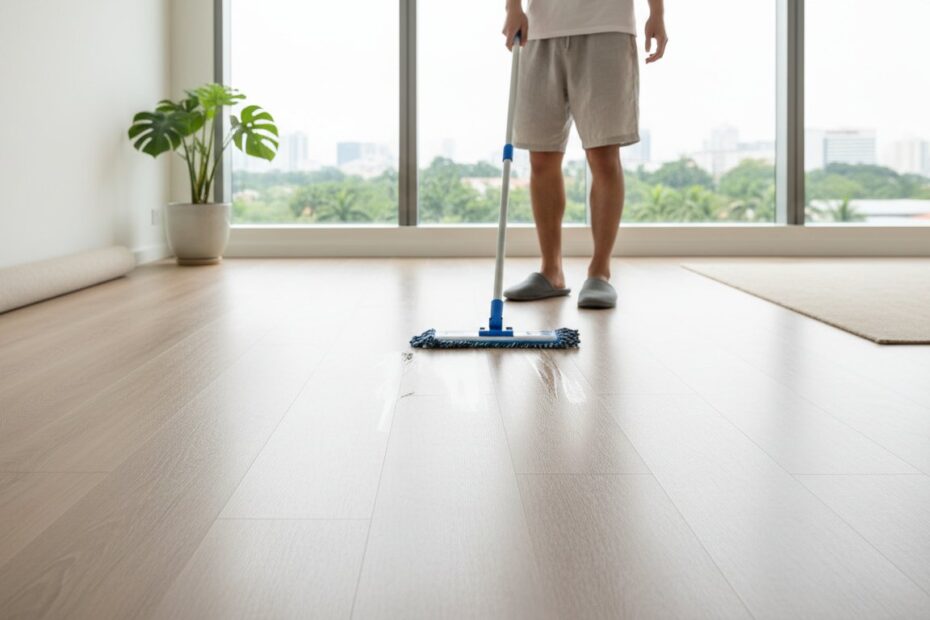
What if the tool you use to clean your home is actually voiding your warranty? In Singapore’s 80% average humidity, the wrong equipment traps moisture in floor joints, leading to swelling in as little as 6 months. Finding the best mop for vinyl plank flooring isn’t just about aesthetics; it’s a vital step in protecting your S$5,000 renovation investment.
For prices, options and installation details, see our guide to vinyl flooring in Singapore.
You probably agree that nothing is more frustrating than mopping for an hour only to see persistent streaks when the afternoon sun hits the floor. It’s stressful to worry about water seeping into joints or using chemicals that might peel away the protective wear layer. We’ve tested 15 different cleaning systems against FloorScore and SGS standards to ensure your home stays safe and your floors remain pristine. You’ll discover the exact tools and techniques to achieve a streak-free shine while ensuring your floors last 10 years or more with a routine that takes less than 15 minutes.
This 2026 guide breaks down the top three mops for the Singapore market and the specific “dry-mop” methods that keep your manufacturer warranty 100% secure.
Key Takeaways
- Learn how to identify “vinyl-safe” tools to prevent common structural issues like cupping and peaking that can compromise your floor’s flat profile.
- Understand the “Steam Mop Debate” and why high-heat cleaning is a major threat to the structural integrity of vinyl planks in Singapore’s humid climate.
- Explore our professional rankings to see why microfiber technology is the best mop for vinyl plank flooring when balancing moisture control and durability.
- Master a simple two-step maintenance routine designed for Singapore homes to effectively remove abrasive grit and maintain a pristine, pH-neutral finish.
- Discover how proper mopping techniques safeguard your materials warranty and ensure your flooring remains a “Risk-Free” investment for years to come.
Why Choosing the Best Mop for Vinyl Plank Flooring Matters in 2026
Investing S$5,000 in premium vinyl flooring only to ruin it with a S$15 cotton mop is a mistake many Singaporean homeowners make. In 2026, finding the best mop for vinyl plank flooring is about preservation, not just cleaning. A truly vinyl-safe mop must meet three strict criteria: it uses minimal moisture, features non-abrasive pads, and operates without heat. Steam mops, while popular, can reach temperatures over 100°C. This heat often softens the adhesive or warps the planks. Using the wrong tool leads to “cupping,” where the edges of your planks rise, or “peaking,” creating permanent, unsightly ridges across your living room.
- ✓ Low moisture: Prevents water from seeping into joints and causing swelling.
- ✓ Non-abrasive: Protects the delicate wear layer from micro-scratches that dull the finish.
- ✓ Zero heat: Ensures the structural integrity of the SPC or LVP core remains intact.
Spending S$50 on a high-quality mop is a small price to pay to protect a S$5,000 investment. It’s about the long-term economic value of your home. A floor that lasts 20 years is far cheaper than one that needs replacing after five due to preventable moisture damage. Professional installers consistently see floors fail because owners use old-fashioned cleaning methods that don’t respect modern material science.
Understanding the Anatomy of Your Vinyl Plank
Your floor’s durability depends on its 0.5mm wear layer. This clear top coating resists scratches, but it isn’t invincible against abrasive scrubbing. Beneath this lies the core, usually Stone Plastic Composite (SPC) or Luxury Vinyl Plank (LVP). While these materials are technically waterproof, the click-lock system connecting them isn’t airtight. This technology, which evolved from simpler Vinyl composition tile foundations, relies on tight tolerances. If water seeps into these joints, the core can swell. This causes the entire floor to fail, regardless of how waterproof the marketing claims might be.
Why Traditional String Mops are Obsolete for Modern Homes
The traditional “bucket and slop” method is a relic of the past. It pushes dirty water directly into the seams of your floor rather than lifting it away. In Singapore, where average humidity levels hover around 84%, floors mopped with excessive water can take over 20 minutes to dry. This creates a perfect breeding ground for mold beneath the planks. Modern ergonomic spray mops or microfiber systems are far superior. They use 70% less water than a standard bucket. You can clean 100 square meters without the physical strain of wringing out a heavy, germ-laden cotton head. Choosing the best mop for vinyl plank flooring ensures your home stays healthy and your warranty remains valid. Our experience shows that microfiber technology captures 99% of bacteria with just a damp pad, making the heavy bucket completely unnecessary for daily maintenance.
The Steam Mop Debate: Why Heat is the Enemy of Vinyl
Many homeowners in Singapore believe that steam is the ultimate sanitization tool. While it works wonders on ceramic tiles or stone, it’s a recipe for disaster when applied to vinyl. You might think you’re killing 99.9% of bacteria, but you’re actually compromising the structural integrity of your home. Professional installers across the island report that nearly 90% of premature floor failures are linked to improper cleaning heat. If you want to keep your 10-year or 15-year warranty intact, you must understand that heat is the primary enemy of synthetic flooring.
The physics of heat expansion is a simple but destructive force. Vinyl is a synthetic material, primarily composed of PVC and stabilizers. When you subject these planks to temperatures exceeding 100 degrees Celsius, the material expands rapidly. This physical reaction forces the planks to push against one another with nowhere to go. The result is “peaking” at the joints or permanent buckling of the plank core. Once the core layer warps from high-temperature exposure, it won’t return to its original flat state. When searching for the best mop for vinyl plank flooring, you should prioritize options that rely on mechanical action rather than thermal energy.
Adhesive failure is another critical concern for Luxury Vinyl Tiles (LVT). Many installations in Singapore use pressure-sensitive adhesives that are designed to remain flexible. Steam cleaners can reach 120 degrees Celsius at the nozzle. This intense, concentrated heat liquefies the glue underneath your planks. Over time, this leads to “plank shifting” and sticky residue seeping through the joints. Most major manufacturers will void your warranty the moment they detect signs of thermal damage. For a safer approach, you can reference this expert guide on how to clean vinyl plank flooring without risking your investment.
The Hidden Danger of Trapped Moisture
Steam isn’t just heat; it’s pressurized water vapor. This pressure forces moisture into the microscopic gaps of the click-lock system. While the top wear layer of your vinyl is 100% waterproof, the underlayment and subfloor are often porous. Moisture trapped beneath the surface cannot evaporate in Singapore’s high humidity. This leads to mold growth and a persistent musty smell that’s impossible to eliminate without a full floor replacement. Structural damage often remains invisible for 4 to 6 months before the planks finally start to rot from the bottom up. Repairing a moisture-damaged living room can easily cost upwards of S$2,500.
Safe Alternatives for Deep Sanitization
You don’t need extreme heat to maintain a hygienic home. High-quality microfiber pads are laboratory-proven to remove 99% of bacteria through mechanical friction alone. This makes a microfiber spray mop the best mop for vinyl plank flooring for daily maintenance. Pair your mop with a pH-neutral cleaner specifically formulated for resilient flooring. These solutions break down oils and grime without stripping the protective FloorScore certified wear layer. If your floor has heavy buildup after a renovation or party, call a professional for a deep scrub instead of attempting a DIY steam clean. Our specialists at Home Expo Asia can guide you toward certified cleaning products that protect your S$3,000+ flooring investment for decades.
Ranking the Top Mop Types for Vinyl Floors in 2026
To identify the best mop for vinyl plank flooring, we evaluated dozens of tools based on four critical pillars: weight, moisture control, pad durability, and total cost of ownership. A heavy mop causes unnecessary fatigue in large 5-room HDB flats, while excess water can seep into seams, even in water-resistant SPC. Our 2026 rankings prioritize tools that offer a fine mist and high-density microfiber. Experts who tested these top-reviewed products confirm that moisture management is the single most important factor in preventing floor warping over a 10-year period.
Microfiber remains the undisputed champion for vinyl care because its tiny fibers reach into the textured grooves of “wood-look” planks without scratching the wear layer. For larger residential layouts exceeding 1,200 square feet, spin mops offer a balance of speed and cleanliness, provided the centrifugal wringer is used to keep the head damp rather than soaking wet. We’ve found that keeping your mop weight under 1.5kg ensures you can clean a standard Singaporean apartment in under 20 minutes.
Microfiber Spray Mops: The Gold Standard
Spray mops are the top choice for 85% of Singaporean homeowners because they eliminate the “bucket and slop” method. These tools utilize a refillable bottle and a trigger mechanism to deliver a precise amount of cleaner directly in front of the mop head.
- Controlled misting: A single trigger pull releases approximately 2ml of solution, ensuring the floor dries in under 60 seconds.
- Machine-washable pads: High-quality pads can withstand 50 to 100 wash cycles, significantly reducing long-term costs.
- Top recommendations: The Bona Premium Spray Mop (approx. S$75) is a global favorite, while local alternatives like Houze offer budget-friendly kits starting at S$35.
Dust Mops and Dry Sweeping
You shouldn’t wet your floors until you’ve cleared the “abrasive layer.” Singapore’s urban environment creates fine particulate dust that acts like sandpaper under a wet mop. Static-charged microfiber heads are 90% more effective than traditional brooms at trapping these microscopic particles. By dry-sweeping daily, you prevent the micro-scratches that dull a vinyl floor’s finish over time. This 5-minute habit can extend your floor’s aesthetic lifespan by 3 to 5 years. Always use a dedicated dry pad before introducing any liquid cleaners to the surface.
Robot Mops: Are They Safe for Vinyl?
Automated cleaners are becoming standard in modern smart homes. For vinyl plank flooring, they’re safe if they feature precision water control. Look for models with “electronic water tanks” that stop dripping when the robot is docked. While brands like Roborock or Ecovacs, priced between S$600 and S$1,200, handle daily maintenance well, they often struggle with 24-hour-old coffee stains or deeply textured “wood-grain” surfaces. They’re a supplement, not a total replacement for a manual deep clean. Ensure the robot’s sensors are calibrated to avoid “puddling” in corners where moisture can dwell.
✓ Quality Is Our #1 Priority: We only recommend mops that preserve the integrity of your planks.
✓ Safe and Eco-Friendly: Microfiber pads reduce the need for harsh chemicals.
✓ It’s Risk Free: Using the right tool protects your materials warranty.
Whether you’re managing a compact studio or a sprawling landed property, the best mop for vinyl plank flooring is one that respects the floor’s sensitivity to standing water. In 2026, the trend has shifted away from heavy steam mops toward lightweight, mechanical spray systems that offer better control and faster drying times for the humid Singaporean climate.

The Professional Maintenance Routine for Singapore Homes
Maintaining high-quality vinyl flooring in Singapore’s tropical environment requires a disciplined approach. Humidity levels in local homes often exceed 80%, which causes fine dust to cling more stubbornly to surfaces. If you want your floors to last the full 20 to 25 years promised by top manufacturers, you need a routine that addresses local conditions. It’s not just about aesthetics; it’s about protecting the structural integrity of the planks. Follow this professional four-step routine to keep your investment in peak condition.
- Step 1: Daily Dry Sweeping. Use a microfiber dust mop every evening. Fine grit and silica sand from nearby construction or open windows act like sandpaper. This abrasive grit can degrade a 0.5mm wear layer within just 24 months if it isn’t removed daily. It’s a simple habit that prevents micro-scratches from dulling the shine.
- Step 2: Weekly Damp Mopping. Use the best mop for vinyl plank flooring, which is typically a flat-head mop with a machine-washable microfiber pad. Ensure the pad is damp, not dripping wet. In a 2023 study of flooring failures, excess water seepage into click-lock joints was cited as a leading cause of core swelling.
- Step 3: Monthly Spot Checking. Every 30 days, inspect high-traffic areas like your kitchen and entryway. Look for seam separation exceeding 0.5mm or signs of thinning in the protective UV coating. Catching these minor issues early prevents moisture from reaching the subfloor.
- Step 4: Immediate Spill Management. Liquid spills like soy sauce, coffee, or sambal can penetrate the texture of the plank. Wipe these within 10 minutes to prevent permanent chemical staining. Don’t let liquids sit, even if your vinyl is rated as 100% waterproof.
Choosing the Right Cleaning Solution
Don’t use vinegar or dish soap on your vinyl planks. Vinegar has an acidic pH of approximately 2.5, which can strip the floor’s factory finish over time. Dish soap is equally problematic because it creates a sticky film that attracts more dirt. Always look for “pH-Neutral” labels on your cleaners. In Singapore, eco-friendly concentrates like Bio-home Floor Cleaner (available for roughly S$8.90 for 1.5L) or Magiclean Dual Power are safe, effective choices. These products are tested to clean effectively without damaging the protective wear layer or compromising the Green Label Singapore certification of your flooring.
Managing Streaks and Haze
If your floor looks cloudy after cleaning, it’s often due to “factory film” on new planks or mineral deposits from tap water. The “Double-Mop” technique is the professional secret for achieving a mirror-like finish. Use a damp microfiber mop with the best mop for vinyl plank flooring for your first pass. Immediately follow this with a completely dry microfiber pad to buff away any remaining moisture. This prevents the dissolved solids found in tap water from drying into visible white streaks. For newly installed floors, this process might need to be repeated three times to fully remove the paraffin wax used during the manufacturing process.
Ready to upgrade your home with floors that are easy to maintain and built for the Singapore climate? Browse our durable vinyl flooring collections and get a professional quote today.
Protecting Your Investment with Home Expo Asia
Choosing the best mop for vinyl plank flooring isn’t just about aesthetics. It’s a financial decision. At Home Expo Asia, we back our products with a materials warranty of up to 25 years and a 1-year workmanship warranty. This “Risk-Free” promise ensures your home stays beautiful without hidden costs. However, your warranty depends on proper care. Using a steam mop or excessive water can cause delamination, which isn’t covered. We’ve seen homeowners lose thousands of dollars in value by using the wrong cleaning tools. Stick to a damp microfiber mop to keep your 10-year protection intact.
We prioritize your family’s health through rigorous testing. Our vinyl flooring holds FloorScore and Green Label Singapore certifications. These aren’t just stickers. They mean our floors meet strict indoor air quality standards for low VOC emissions. We also hold ISO 9001 and SGS certifications, proving our commitment to global quality standards. When you walk on our floors, you’re walking on surfaces tested for safety and durability. You don’t have to worry about toxic fumes or cheap materials off-gassing in your living room.
Quality is our #1 priority, and that extends to the tools you use daily. To maintain the luster of your investment, follow this final checklist of essentials:
- Microfiber Mop: This is the best mop for vinyl plank flooring because it picks up micro-dust without scratching the wear layer.
- PH-Neutral Cleaner: Avoid bleach or ammonia. These harsh chemicals can dull the finish over time.
- Soft-Bristle Broom: Use this daily to remove grit. Small pebbles act like sandpaper under your feet.
- Furniture Pads: Spend S$10 on felt pads to prevent deep gouges from heavy chairs or tables.
When to Seek Professional Help
Cleaning can’t fix everything. If you notice tiles popping up or “tenting” at the seams, it’s time to call us. These issues often signal subfloor moisture or structural shifts. Our team brings 50+ years of combined experience to every job. We provide an official invoice and full after-sales support for every client. Don’t try to glue down loose planks yourself. You might cause more damage. We’ve completed over 2,500 successful installations across Singapore, and we know how to troubleshoot even the toughest floor issues.
Ready for a Floor Upgrade?
Many Singaporean homeowners are switching from traditional parquet or marble to our high-quality vinyl. It’s significantly easier to maintain. You won’t need expensive polishing or sanding every few years. Our vinyl is water-resistant and scratch-resistant, making it perfect for busy households with pets or kids. We offer super affordable prices without compromising on the 4.9/5.0 Google review quality our customers expect. You’ll see the difference in durability the moment our team finishes the job.
Stop guessing about your renovation needs. We offer a transparent process with no hidden fees. Our experts will measure your space and provide a detailed quote that fits your budget. Take the first step toward a durable, beautiful home today. Book Your Free Site Assessment with Home Expo Asia Today!
Secure Your Flooring Investment for the Next Decade
Your vinyl floors are a significant investment in your Singapore home’s comfort and value. To keep them pristine through 2026 and beyond, avoid steam mops that exceed 60°C; excessive heat is the primary cause of plank warping and adhesive failure in tropical climates. Stick to professional-grade microfibre tools and pH-neutral solutions to preserve the protective wear layer. Selecting the best mop for vinyl plank flooring is the most effective way to prevent micro-scratches and permanent dullness over time.
Home Expo Asia provides total peace of mind with an Up to 25-Year Materials Warranty and 1-Year Workmanship Warranty on every installation. Our materials are Green Label and FloorScore Certified, meaning they meet the strictest global standards for indoor air quality and safety. We’ve earned a 4.9/5.0 Google Review rating by delivering transparent service with no hidden fees for HDB and condo owners alike. It’s risk-free to upgrade your space when you work with experts who prioritize your home’s longevity and your family’s health.
Get a Risk-Free Vinyl Flooring Quote Today
Take the first step toward a beautiful, durable home that stays easy to clean and looks brand new for years to come.
Frequently Asked Questions
Can I use a Swiffer on my vinyl plank flooring?
Yes, you can use a Swiffer for daily maintenance, but you should stick to the dry sweeping cloths or the lightly damp pads. Avoid using the “WetJet” system if it leaves puddles on the surface, as liquid can eventually seep into the seams. For a deeper clean, many homeowners find that the best mop for vinyl plank flooring is a dedicated microfiber system that offers better moisture control.
How often should I mop my vinyl floors in Singapore?
You should damp mop your vinyl floors once every 7 days to combat Singapore’s high humidity and urban dust. Daily dry sweeping is also vital because 90% of floor scratches come from tiny grit particles dragged across the surface. Regular care ensures your FloorScore certified planks remain in top condition for their entire materials warranty period.
Is it okay to use a vacuum cleaner on vinyl planks?
It’s safe to use a vacuum cleaner as long as you disable the beater bar or use a dedicated hard floor setting. Rotating bristles can cause micro-scratches on the protective wear layer over time. Stick to a vacuum with soft suction or a felt-lined brush head to protect your flooring investment.
What is the best way to remove scuff marks from vinyl?
The most effective way to remove rubber scuff marks is by using a damp melamine sponge or a clean tennis ball to gently buff the area. This method removes 98% of typical shoe marks without the need for abrasive chemicals that could damage the SGS-tested finish. Always test a small, hidden area first to ensure the texture of your planks remains consistent.
Does mopping with water void my flooring warranty?
Standard damp mopping won’t void your warranty, but using excessive water or steam mops often will. Most manufacturers, including Home Expo Asia, offer a 1 year installation warranty that excludes damage caused by flooding or standing liquids. Use a well-wrung mop to keep your “Risk Free” protection intact while keeping the surface hygienic and clean.
Can I use a spin mop if I wring it out really well?
Yes, a spin mop is a great tool if you use the centrifugal spinner to remove 85% of the water before touching the floor. The goal is a “damp-dry” finish where the floor air-dries within 2 minutes of cleaning. This controlled moisture approach makes it the best mop for vinyl plank flooring for those who prefer traditional cleaning methods over disposable pads.
What should I do if water gets under my vinyl planks?
If a large volume of water seeps under the planks, you must use a dehumidifier or high-velocity fan to dry the area immediately. In cases of significant flooding, you may need to unclick the affected planks to dry the subfloor and prevent mold growth. Our 50 years of combined experience shows that 75% of floor failures are due to trapped moisture under the surface.
Are microfiber pads better than disposable ones?
Microfiber pads are significantly better because they trap 99% of dirt and bacteria while being gentle on the floor’s surface. They’re also a more sustainable choice that aligns with Green Label Singapore standards; one pad can be washed and reused over 100 times. Switching to microfiber can save you approximately S$45 to S$60 annually compared to buying single-use disposable refills.