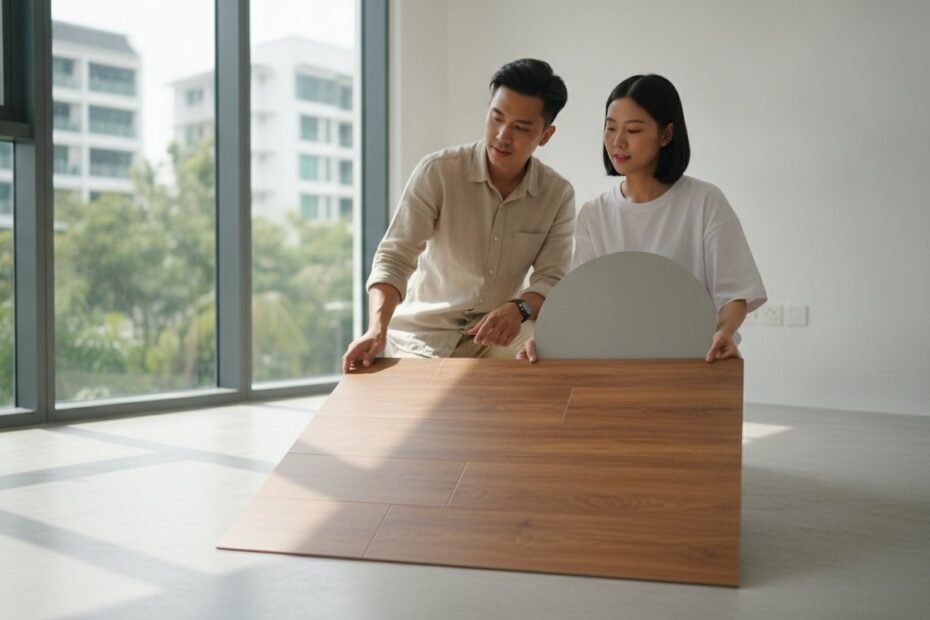
The “natural” choice for your home might actually be the one most likely to fail in Singapore’s 90% humidity. While many homeowners use the terms interchangeably, the linoleum vs vinyl flooring singapore choice involves significant differences in durability and moisture resistance. Picking the wrong material for your HDB flat or condo can lead to bubbling, warping, and expensive repairs. It’s stressful to design a beautiful space only to worry about whether your floors can handle the damp tropical climate.
For prices, options and installation details, see our guide to vinyl flooring Singapore.
We know you’re looking for a reliable, expert-backed solution that keeps your family safe and your maintenance low. This 2026 guide provides the professional clarity you need to choose between these two popular options. You’ll gain a clear understanding of material lifespans and how each product reacts to daily wear. We’ll also provide the financial insights you need to stay within your renovation budget without sacrificing quality or safety standards.
Our comparison highlights high-quality vinyl designs that mimic natural wood and stone with incredible realism. We’ll preview maintenance schedules and professional installation standards to ensure your long-term peace of mind. Let’s explore which material offers the best value and resilience for your unique Singapore home.
Key Takeaways
- Understand how Singapore’s high humidity impacts the stability and adhesion of natural linoleum compared to moisture-resistant synthetic vinyl.
- Discover the critical differences in the linoleum vs vinyl flooring singapore comparison to identify which material provides the best long-term durability for HDB and condo environments.
- Learn why vinyl flooring offers a lower-maintenance lifestyle by eliminating the periodic resealing requirements typically associated with natural linoleum.
- Explore how to select from over 200 designs that realistically mimic wood and stone textures while meeting 2026 safety standards for indoor air quality.
- Get a definitive recommendation on which flooring material provides the best value for your specific renovation budget and household needs.
Understanding the Basics: What Are Linoleum and Vinyl?
Many Singaporean homeowners use the terms “linoleum” and “vinyl” interchangeably, but they represent two entirely different worlds of material science. If you’re planning a 2026 renovation, understanding the linoleum vs vinyl flooring singapore debate is essential for long-term satisfaction. While they might look similar on a showroom floor, their performance in our local heat and humidity varies significantly. The distinction matters because the wrong choice can lead to maintenance headaches or premature floor failure.
The Composition of Linoleum Flooring
Linoleum is a time-tested material that relies on nature’s own chemistry. It is primarily composed of linseed oil, which is oxidized and mixed with cork dust, wood flour, and mineral fillers. This mixture is then pressed onto a natural jute backing. Because it’s made from renewable resources, it’s often the go-to for eco-conscious builders who want a biodegradable product.
One unique characteristic is the “blooming” effect. When first installed, linoleum may have a yellowish tint due to the linseed oil. This tint disappears after exposure to light, revealing the true color. However, because it’s a porous, natural product, it requires professional sealing to prevent water damage and staining. You can learn more about its history and components by reading What is Linoleum? on Wikipedia.
The Engineering Behind Modern Vinyl Flooring
Vinyl is a synthetic masterpiece designed for maximum resilience. Its core is made from polyvinyl chloride (PVC), combined with stabilizers and pigments. Unlike linoleum, which has a consistent color throughout the entire thickness, vinyl is built in layers. This multi-layer construction allows for specific performance benefits in every plank.
- Wear Layer: A clear top coat that protects against scratches, scuffs, and stains.
- Print Layer: High-definition imagery that mimics wood, stone, or tile.
- Core Layer: The structural heart that provides stability and 100% waterproof properties.
- Backing: An integrated underlayment that provides comfort and sound insulation.
Modern engineering has moved vinyl far beyond the “plastic” look of the past. Today’s options feature hyper-realistic textures that feel like real grain underfoot. High-definition printing allows vinyl to replicate the look of oak or marble so closely that it’s difficult for the untrained eye to tell them apart. This “look-alike” capability is why many people confuse the two materials, even though their underlying chemistry is completely different.
As we look toward 2026, homeowners are prioritizing materials that balance health standards with practical durability. While linoleum is biodegradable, vinyl’s waterproof nature makes it incredibly popular for Singapore’s tropical environment. Choosing the right one ensures your home remains beautiful and safe for years to come.
The Singapore Factor: Performance in Humidity and Heat
Singapore’s climate is notoriously harsh on interior finishes. With average relative humidity often exceeding 80%, your choice in the linoleum vs vinyl flooring singapore debate determines if your floors will last a decade or fail in three years. High humidity affects how adhesives bond to the subfloor. It also dictates how much a material expands and contracts throughout the day. If a material isn’t engineered for the tropics, it won’t stay beautiful for long.
Natural materials like linoleum are composed of organic fibers. These fibers are hygroscopic, meaning they naturally absorb moisture from the air. In a humid HDB flat, this can lead to dimensional instability. Synthetic polymers used in vinyl flooring don’t have this problem. They are engineered to be inert. They don’t swell when the air gets thick with rain. Heat is the second major factor. West-facing units can reach high temperatures during the afternoon sun. Both materials handle heat well, but vinyl’s multi-layer construction provides a “set it and forget it” reliability that busy homeowners appreciate.
Moisture Resistance and Bubbling Risks
Linoleum’s biggest weakness in Singapore is its porous nature. If the protective seal wears down, moisture can seep into the core. This often results in warping or, worse, mold growth underneath the planks. Vinyl acts as a total moisture barrier. Its non-porous surface ensures that spills or high humidity won’t lead to bubbling. This makes vinyl the safer bet for kitchens and service yards where moisture is constant.
While exploring eco-friendly flooring options, it’s vital to balance green credentials with tropical practicality. A floor that needs replacing every few years due to mold isn’t sustainable for your wallet or the environment. Choosing a material that resists the local climate is the first step in a successful renovation.
Durability and Lifespan in High-Traffic Homes
Vinyl flooring is built for the chaos of modern life. The clear wear layer protects against scratches from moving furniture or pet claws. Linoleum is often marketed as “self-healing” because small dents can sometimes close up over time as the linseed oil cures. However, this is more of a slow chemical reaction than a quick fix for a deep scratch. It’s often misunderstood as a magic solution for heavy damage.
In a typical Singaporean household, high-quality vinyl can easily last 20 years with minimal effort. Linoleum can last longer, but only if you’re diligent about periodic resealing and professional maintenance. For most families, the durability of professional vinyl flooring installation provides the best peace of mind and long-term value.
Comparing Aesthetics, Maintenance, and Total Cost
Choosing the right look is often the most exciting part of a renovation. When comparing linoleum vs vinyl flooring singapore, the aesthetic range is a major differentiator. Vinyl has evolved rapidly in recent years. Today, you can access over 200 designs at Home Expo Asia, giving you total creative freedom to match your interior vision. Linoleum, while classic, typically offers a more limited palette of marbled or solid patterns due to its natural manufacturing process.
Design Versatility and Style Trends 2026
In 2026, many Singaporean homeowners are opting for herringbone flooring created with vinyl planks. This classic pattern adds a sense of luxury and movement to any HDB or condo. High-definition printing technology allows vinyl to mimic marble, oak, and even industrial concrete with startling accuracy. Linoleum is still valued for its unique, earthy matte finish. This aesthetic is supported by European Commission research on linoleum, which highlights its composition from natural, renewable raw materials that create a distinct, organic feel underfoot.
Maintenance: Stripping and Waxing vs. Simple Mopping
Maintenance is where the long-term costs and efforts diverge. Vinyl features a factory-applied “no-wax” finish. For daily cleaning, you only need a damp mop and a neutral cleaner. It’s built for the busy Singaporean lifestyle. Linoleum requires significantly more care to stay durable. It must be stripped and waxed periodically to maintain its water resistance and prevent the natural fibers from drying out. If you skip this professional maintenance, the floor can become porous and prone to deep stains. Vinyl is inherently stain-resistant, making it a more practical choice for households with pets or young children who frequent the kitchen and living areas.
When we look at the total cost of ownership over ten years, a clear gap emerges. Vinyl is generally more budget-friendly at the start and offers easier installation. Linoleum requires a specialized glue-down process that demands professional expertise, increasing initial labor costs. You also have to factor in the recurring expense of professional waxing services every two to three years. For most homeowners, vinyl remains the cost-effective leader because it requires zero specialized treatment after the initial installation. It provides a beautiful, high-end look without the hidden long-term service fees.

Sustainability vs. Practicality: The Green Flooring Debate
Many homeowners assume the linoleum vs vinyl flooring singapore choice is a simple case of natural versus synthetic. It’s actually more complex. Sustainability involves more than just raw materials. It includes the energy used for transport, the chemicals in the installation process, and how long the floor stays in your home before ending up in a landfill. A truly green floor is one that doesn’t need to be replaced every few years.
Is Linoleum Really “Greener” for Your Home?
Linoleum is made from renewable linseed oil and wood flour. This gives it a strong environmental edge at the start of its life. However, most linoleum is imported from distant regions. This creates a significant carbon footprint before the material even reaches Singapore. You must also consider the adhesives. Some glue-down linoleum products require high-VOC solvents that can affect your indoor air quality. If the material warps due to tropical humidity, as we discussed in earlier sections, replacing it prematurely is far less sustainable than choosing a durable alternative that lasts for decades.
Modern Vinyl and Safety Certifications
Today’s vinyl flooring in Singapore has undergone a massive safety transformation. Manufacturers have moved away from harmful phthalates and heavy metals. When looking for quality flooring for families with young children, check for the Singapore Green Label or FloorScore certifications. These badges prove that the material meets strict international standards for low chemical emissions.
Modern vinyl offers several practical green advantages:
- Longevity: A floor that lasts 20 years significantly reduces the demand for new manufacturing and raw materials.
- Chemical-Free Maintenance: Vinyl doesn’t require the harsh chemical strippers or waxes that are essential for keeping linoleum water-resistant.
- Waste Reduction: In Singapore, professional installation services now focus on precision cutting to minimize off-cut waste. This ensures fewer materials end up in our local waste streams.
- Recycled Content: Many 2026 vinyl products are engineered with a percentage of recycled content, helping to close the loop in the production cycle.
Choosing a floor that balances health safety with long-term durability is the most practical way to be eco-friendly in a tropical climate. If you want to see how our certified, low-emission materials can fit your home, get a personalized quote from our experienced team today.
The Final Verdict: Which One Should You Choose?
Deciding on linoleum vs vinyl flooring singapore depends on your specific priorities for your home. Both materials have evolved, but they serve different needs. If you’re an eco-purist who lives in a strictly climate-controlled environment, linoleum is a prestigious choice. However, for the vast majority of Singaporean households, vinyl remains the superior investment. It’s engineered specifically to handle the moisture, high traffic, and maintenance needs of our tropical city.
Choose Linoleum if:
- You prioritize 100% natural, biodegradable materials.
- You have a consistent, humidity-controlled environment.
- You prefer a classic, marbled matte aesthetic.
Choose Vinyl if:
- You want 100% waterproof performance for kitchens and living areas.
- You need maximum durability against pets, children, and heavy furniture.
- You want to choose from over 200 designs, including realistic wood and stone textures.
- You’re looking for a cost-effective, low-maintenance solution.
Best Flooring for HDB BTO and Resale Units
For HDB owners, vinyl is the most practical choice. It allows for a fast, clean installation process because it can often be overlaid directly onto existing floor tiles. This saves you the high cost of hacking and cement works. It’s an ideal solution for young couples and first-time homeowners who want a premium look on a sensible budget. To complete your home’s transformation, many of our clients match their new floors with modern wall paneling. This creates a seamless, high-end feel throughout your living space without a massive price tag.
Professional Installation: The Key to Longevity
The best flooring material in the world will still fail if the subfloor isn’t prepared correctly. Bubbling and gaps are usually the result of poor installation, not the material itself. At Home Expo Asia, we take a methodical approach to every project. Our process begins with a comprehensive assessment of your existing tiles and subfloor moisture levels. We then handle the precise leveling required for a flawless finish.
Our experienced team manages the entire process from precise site measurements to the final handover. We understand 2026 HDB regulations and commercial standards, ensuring your renovation is both beautiful and compliant. We provide the expert guidance and comprehensive warranties you need to ensure your floor lasts for decades. Don’t settle for “good enough” for your home’s foundation. Our experts are ready to help you find the perfect balance of style and resilience. Get a risk-free quote for your dream flooring today!
Transform Your Singapore Home with Confidence
Choosing the right material for your renovation doesn’t have to be an overwhelming task. While linoleum offers natural appeal, vinyl provides the robust moisture resistance and design flexibility required for our unique tropical climate. You’ve now seen how modern vinyl meets strict safety standards for your family while eliminating the need for the periodic waxing and sealing that linoleum requires. It’s the practical, high-performance choice for the modern HDB or condo.
When you evaluate linoleum vs vinyl flooring singapore, prioritize a solution that balances aesthetic beauty with long-term resilience. Our team has been trusted by thousands of Singaporean homeowners to deliver professional installation by in-house experts. We specialize in certified low-VOC and child-safe materials that protect your loved ones while looking stunning for decades. We’re here to guide you through every step of your flooring journey with transparency and expertise.
Browse our 200+ Vinyl Flooring Designs and Get a Free Quote today. Your dream home is just one expert decision away, and we’re excited to help you bring it to life.
Frequently Asked Questions
Is linoleum the same as vinyl flooring?
No, they are distinct materials with different chemical compositions. Linoleum is a natural product made from linseed oil and wood flour, while vinyl is a synthetic material made from PVC and stabilizers. This difference is crucial when evaluating linoleum vs vinyl flooring singapore for your home. While linoleum is biodegradable, vinyl is specifically engineered to be non-porous and waterproof, making it a more resilient choice for Singapore’s humid environment.
Is linoleum more expensive than vinyl in Singapore?
Generally, yes. While sheet vinyl can be budget-friendly, luxury vinyl planks and linoleum are closer in initial price, but linoleum’s total cost of ownership is often higher. This is due to the specialized glue-down installation required and the recurring cost of professional sealing. High-quality vinyl offers better long-term value because it doesn’t require these expensive maintenance services to stay water-resistant and beautiful over its entire lifespan.
Can I install linoleum or vinyl over my existing HDB tiles?
Yes, you can install both, but vinyl is the preferred choice for overlays in HDB units. Its click-lock or glue-down systems are designed for easy application over existing tiles, provided the surface is level and stable. This method saves you the cost and mess of hacking, which generally doesn’t require HDB approval for simple overlays. We always recommend a free site assessment to ensure your subfloor is moisture-free before starting.
Which flooring is better for pets, linoleum or vinyl?
Vinyl is the superior choice for households with pets. Its tough, clear wear layer is specifically designed to resist scratches from claws and scuffs from heavy activity. While linoleum is durable, it’s more susceptible to damage from pet accidents if the seal isn’t perfectly maintained. Vinyl’s non-porous surface ensures that liquids won’t seep into the core, preventing odors and mold growth while remaining very easy to sanitize.
Is linoleum waterproof enough for Singaporean kitchens?
Linoleum can be water-resistant if professionally sealed, but it’s not truly waterproof. In a busy Singaporean kitchen where spills and high humidity are constant, linoleum’s natural fibers can absorb moisture if the protective coating fails. Vinyl is 100% waterproof and won’t swell or warp even when exposed to standing water. This makes vinyl the safer, low-risk option for wet areas and high-moisture zones like kitchens and service yards.
How long does vinyl flooring last compared to linoleum?
Both materials are long-lasting, but their lifespan depends on maintenance. High-quality vinyl can last 20 years or more with simple cleaning. Linoleum can technically last longer, sometimes up to 40 years, but only with diligent professional care. In the linoleum vs vinyl flooring singapore comparison, vinyl often wins on practical longevity because it maintains its integrity without the need for periodic stripping and waxing every few years to prevent drying.
Does vinyl flooring emit harmful chemicals (VOCs)?
Modern, high-quality vinyl is designed to be very safe for indoor use. At Home Expo Asia, we supply certified low-VOC materials that meet strict international safety standards like FloorScore. These products are phthalate-free and safe for children and pets. It’s important to choose reputable installers who provide documentation of these certifications to ensure your home’s air quality remains healthy and free from the harmful chemical off-gassing associated with older synthetic products.
Which material is easier to clean in a busy household?
Vinyl is much easier to maintain on a daily basis. It features a “no-wax” finish that only requires regular sweeping and a damp mop with a neutral cleaner. Linoleum is more demanding because it’s naturally porous. It requires periodic professional waxing to keep its luster and protect it from deep stains. For most Singaporean families, vinyl’s simple cleaning routine provides a significant advantage in terms of both time and long-term maintenance costs.